
What Does a Healthy Pregnancy Actually Look Like?
Let's be honest about something. Most women are confused about what a "healthy pregnancy" looks or feels like. They want to know: Am I doing this right? Is this normal? What does a genuinely healthy pregnancy actually feel like from the inside?
And the frustrating reality is that most of what you already know doesn't really answer that question. You probably know you're to take your folic acid (you know), avoid sushi (also know), and book your midwife appointment (done).
What you actually need is a simple picture of what a healthy pregnancy looks like week to week: the reassuring signs, the physical reality, the lifestyle adjustments, and yes, the things to watch for when something genuinely needs attention.
Read: Fertility Reset Programmes
What "Healthy" Means in Pregnancy
Here's something you must know first.
A healthy pregnancy doesn't mean feeling fantastic every day. It doesn't mean a smooth or symptom-free ride.
A healthy pregnancy means that you and your baby are progressing well overall, that key developmental milestones are being met, and that you're supporting your body through this extraordinary process.
Some of the most common signs of a healthy pregnancy, such as nausea, exhaustion, breast tenderness, and constipation, are usually uncomfortable. And the absence of symptoms doesn't mean something is wrong either. Everybody is different. Every pregnancy is different. Even in the same person, two pregnancies can feel completely unlike each other.
So when we talk about a healthy pregnancy, we're not talking about perfection. We're talking about “how well” things are going with you and your developing baby.
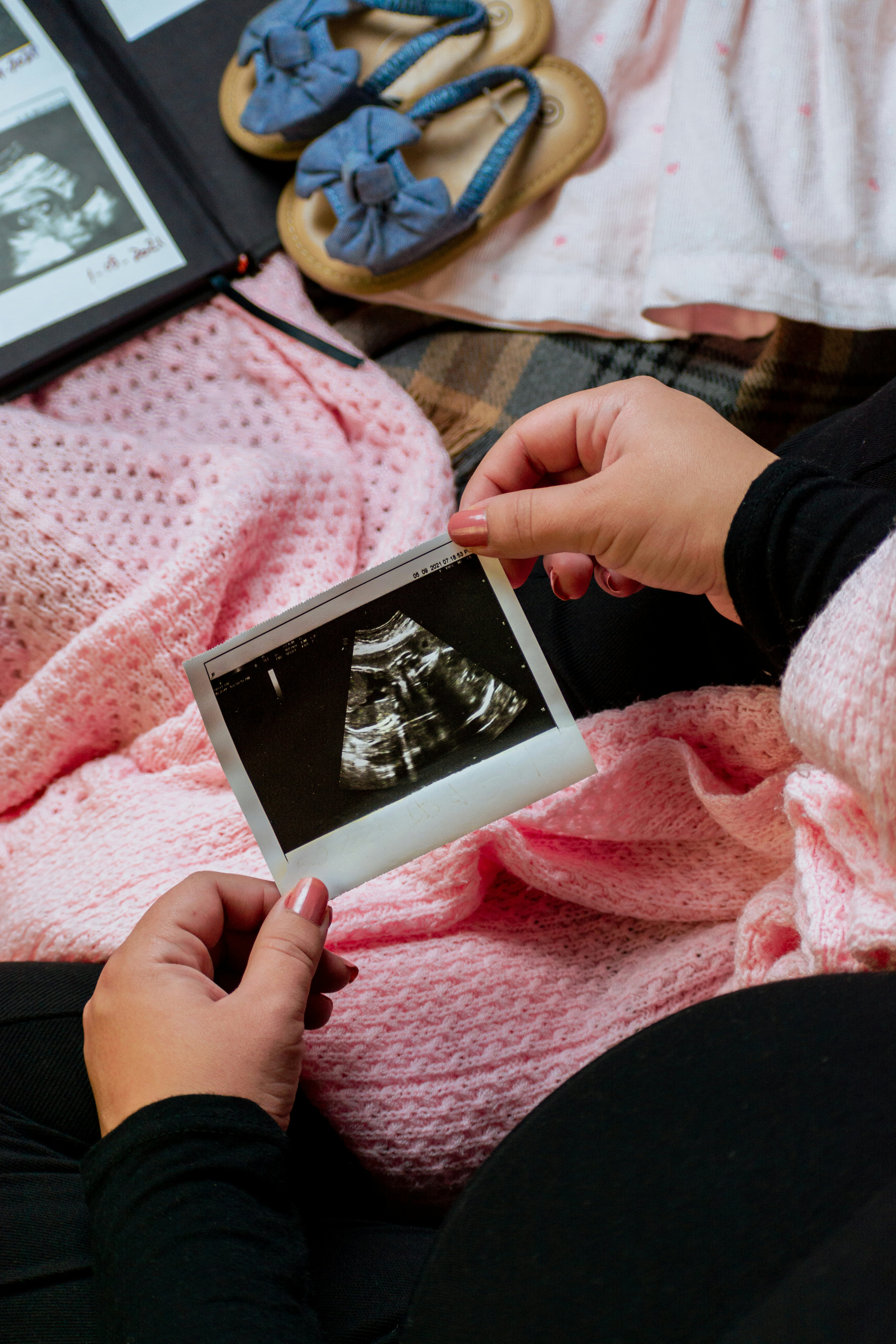
Read: How do I know if I'm pregnant?
Signs of A Healthy Pregnancy: Trimester-by-Trimester
First Trimester (Weeks 1–12)
A rise in the pregnancy hormone, hCG is one of the earliest reassuring signs of a healthy and normal pregnancy. hCG is the hormone your test detects, and in a healthy early pregnancy, it roughly doubles every 48 to 72 hours. Symptoms like nausea, fatigue, breast tenderness, and frequent urination, while uncomfortable, are typically positive signals that pregnancy hormones are doing exactly what they should.
An early heartbeat detected at your dating scan (usually between weeks 11 and 14) is another significant, reassuring milestone. This scan is also performed to ensure that the baby is growing well within the uterus.
Second Trimester (Weeks 13–26)
The bump grows steadily. You begin to feel little kicks or fetal movements, called "quickening", somewhere between weeks 16 and 22 for most women (often earlier for those who have been pregnant before). These are one of the most emotionally significant moments of pregnancy, and they're also an important health indicator. Most people feel the first "quickening" between weeks 18 and 22, and at first it may feel like gas or butterflies. These early movements indicate that your baby is well and moving.
For a healthy pregnancy, your blood pressure should remain stable. Your midwife will check this at every appointment from here on. A consistent, normal blood pressure is one of the clearest signs a healthy pregnancy is tracking well. If your blood pressure keeps rising, particularly after 20 weeks, it can be an early indicator of pre-eclampsia.
Around 20 weeks, your ultrasound will check your baby's organs, brain, spine, limbs, and placenta placement. When the results indicate normal growth and development, it's one of the clearest signs of a healthy pregnancy.
Third Trimester (Weeks 27–40)
Your fetus will keep moving during this trimester. As your baby grows, movements will change; the gymnastics of earlier weeks give way to stronger, more deliberate rolls and kicks. Usually, these movements should remain consistent in their pattern for your baby. If you notice any significant reduction in movement, please contact your midwife immediately. Always. Not a "wait and see." A call.
Another sign to look out for?
A strong, regular fetal heart rate between 110 and 160 beats per minute is typical.
Also, your baby bump continues to grow. The fundal height (the measurement from your pubic bone to the top of your uterus) will be measured at every appointment from around 26 weeks, plotted on a growth chart to ensure your baby is growing consistently.
It's normal to experience some mild swelling of the ankles and feet in the evenings. However, if you notice a sudden, significant swelling, especially of the face and hands, it's not healthy. Get a proper assessment immediately.
Finally, another sign of a healthy pregnancy you should look out for, is the Braxton Hicks contractions. It's the irregular "practice" contractions or tightenings you'll feel, and it's completely normal. That's just your uterus preparing for labour.
What Your Antenatal Appointments Actually Check
If this is your first baby, you will usually have 10 antenatal appointments. After your booking appointment at about 10 weeks, you will have appointments at weeks 14–16, 25, and 28 during your second trimester, then at weeks 31, 34, 36, 38, 40 and 41 in your third trimester. If you've had a healthy previous pregnancy, it's usually around seven appointments.
At every routine appointment from around 25 weeks, your midwife will check:
Blood pressure (monitoring for hypertension and pre-eclampsia)
Urine (testing for protein, which can signal pre-eclampsia, and for signs of infection)
Fundal height measurement (tracking baby's growth)
Baby's heartbeat (confirming wellbeing)
Baby's position (becoming relevant from around 36 weeks)
What a Healthy Pregnancy Diet Actually Looks Like
Let's cut through the noise here. A generic healthy pregnancy diet is not complicated, and it doesn't require you to become a food saint.
The principle is straightforward: eat a wide variety of real, nutritious foods, take your supplements, and avoid the specific things that carry genuine risk.
The non-negotiable supplements if your root cause assessment has shown you can handle them:
Folic acid: 400 micrograms daily throughout the first trimester (ideally started before conception). Reduces the risk of neural tube defects.
Vitamin D: 10 micrograms daily throughout pregnancy. Most people in the UK are deficient, and your baby cannot make their own.
What your body actually needs more of:
You don't really need more calories, not significantly, in the first trimester, though you'll need it modestly in the third (roughly an additional 200 calories per day). The "eating for two" idea is a myth that may set you up for unnecessary weight gain and the health complications that come with it.
What increases during your pregnancy is your need for specific nutrients. Iron requirements roughly double to triple during pregnancy. This supports your increased blood volume and your baby's development. Calcium demand also rises because it is needed to build your baby's skeleton. Your folate and vitamin B12 requirements increase, too. You'll also need Omega-3 fatty acids to support your baby's brain and eye development.
Something interesting about having the right nutrition is this:
You don't need a special pregnancy diet to meet these needs. A simple diet that includes a variety of lean proteins, dairy or dairy alternatives, oily fish (two portions per week is the recommendation), leafy greens, wholegrains, and plenty of fruit and vegetables will cover most of your nutrient needs.
You can fill gaps with a good-quality pregnancy multivitamin.
If you aren't pregnant yet, and you're wondering what foods to eat to increase your chances, read this: 7 foods that boost natural fertility.
Exercise and Training in Pregnancy
Here's the truth: movement is like medicine in pregnancy. Being active during pregnancy is one of the most protective things you can do for yourself and your baby. Your body needs exercise. So is the baby inside you.
Research shows that moderate exercise during a normal pregnancy reduces the risk of developing gestational diabetes, hypertension, and pre-eclampsia. These are not some minor benefits.
Exercise literally saves you from three of the most significant complications of pregnancy, and exercise reduces the risk of all three.
Safe pregnancy and training
For women who were active before pregnancy, whether that means gym sessions, running, yoga, swimming, or other forms of exercise, the good news is that you can generally continue what you were doing, with modifications as your pregnancy progresses.
Here's the practical framework:
Aerobic exercise: Walking, swimming, cycling (static bike is preferable as the bump grows), low-impact classes, and dancing are all excellent throughout pregnancy. Swimming in particular, is outstanding for pregnancy training because the water supports your weight.
Yoga and Pilates: Prenatal yoga and Pilates are among the most genuinely important forms of exercise available. Take a soft and easy Yoga session, once in a while.
Running: If you ran before pregnancy, you can generally continue running into the second trimester with appropriate adjustments. Always reduce your pace, cover shorter distances, and pay attention to pelvic floor symptoms. Many women run comfortably well into the second trimester. If you don't find running comfortable during the second trimester, don't panic. Your baby bump may be larger. You can try other alternatives that you're comfortable with.
What to avoid during pregnancy exercise
Not all exercises and sports are safe for you during pregnancy.
Avoid sports that involve a risk of falls, trauma, or collisions. This includes cycling outdoors, skiing, and horse riding. Don't do strenuous exercise in hot weather, and keep hydrated throughout. If it's difficult to talk, it's probably too strenuous.
Also avoid: hot yoga or any exercise in very warm conditions (any core temperature increase is a genuine concern, particularly in the first trimester), exercises involving heavy Valsalva manoeuvres (breath-holding under heavy loads), and any abdominal work that causes visible "coning" or doming down the midline of your abdomen.
One more thing that doesn't get said enough: if you weren't exercising much before pregnancy, starting gentle activity now is still great, but start gradually. A brisk daily walk is an excellent way to start.
Sleep During Pregnancy
You need good sleep, both for your own health and that of your unborn child.
Sleep is not a passive part of pregnancy health. It's active, restorative, and directly connected to outcomes for both you and your baby.
In the first trimester, you may find yourself needing more sleep than at any other point in your adult life. The progesterone-driven sedation is real. Honour it where you can. Rest isn't laziness; it's your body prioritising appropriately.
In the third trimester, you're advised to sleep on your side, ideally your left, from around 28 weeks. Research suggests that sleeping on your back in late pregnancy may slightly reduce blood flow to the baby, due to the weight of the uterus on the main blood vessels running behind it. If you wake up on your back, simply roll over. You've not done any damage by waking up there.
Here's a practical sleep support that actually helps:
Have a pregnancy pillow between your knees and under your bump, keep your bedroom cool, avoid screens for 30 minutes before bed, and limit fluids in the hour before sleep to reduce nighttime trips to the bathroom.
Warning Signs: When to Call Your Midwife or GP Without Waiting
Part of understanding a healthy pregnancy is knowing when something falls outside the normal range and needs prompt attention. Here are the signs to act on without delay:
Call your midwife or maternity unit immediately if you experience:
Reduced or absent fetal movements (after you've started feeling them)
Vaginal bleeding at any stage
Severe or persistent headache, particularly with visual disturbances or upper abdominal pain
Sudden swelling of the face, hands, or feet
Severe abdominal pain
One-sided abdominal or shoulder tip pain (which could indicate ectopic pregnancy in very early pregnancy)
Burning or painful urination (which could indicate a urinary tract infection, common in pregnancy and important to treat)
Fever above 38°C
Any symptoms that feel sudden, severe, or significantly different from your baseline
When in doubt, consult an expert. That is what they are there for, and a false alarm is infinitely preferable to a delay.
Do you want to learn more about how to increase your fertility or do you need help on your pregnancy journey?
Visit our Fertility Reset Programmes to get started.
Karen Botha
Karen Botha is a Root Cause Fertility Practitioner who helps couples find the hidden health issues that may be affecting conception, and also guides pregnant couples through their pregnancy journeys. She combines Western science with Eastern wisdom to help couples improve fertility naturally and turns happy couples into families.
